Contemporary art
Contemporary art dynamics and digital evolution


Artistic movements
Evolution of modern artistic movements
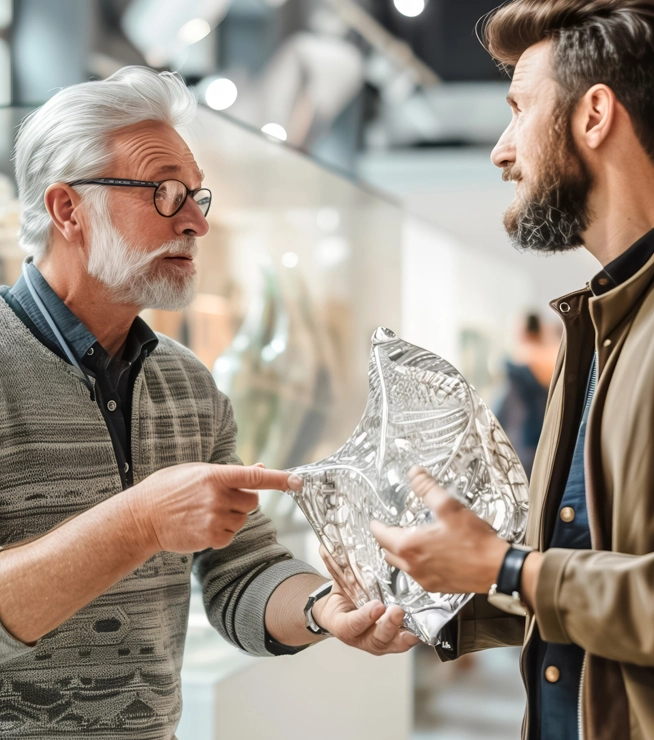
The modern creative landscape resists rigid artistic classifications and favors more fluid boundaries between practices. Critics observe interdisciplinary practices in which traditional sculpture meets complex sound design. This hybridization creates immersive art environments rather than static objects for passive viewing. Audiences engage with works that demand intellectual participation and sensory adaptation. Contemporary practitioners prioritize conceptual depth and artistic intent above technical perfection.

Abstract expressionist revival
Gestural brushwork expresses raw emotion without relying on figurative representation. The physical act of painting remains visible across the canvas surface. Color fields shape the emotional atmosphere of the work.

Neo-pop cultural commentary
Mass media imagery critiques consumer habits through sharp irony and visual repetition. Bright, commercial aesthetics can conceal deeper sociological observations about modern life. Familiar cultural symbols bridge the gap between high art and everyday experience.

Sustainable eco-art forms
Natural materials foreground environmental fragility and the inevitability of decay. These site-specific artworks often decompose over time, leaving little or no physical trace. The surrounding landscape becomes both artistic medium and subject matter.
Museum and gallery spaces
Curation strategies In museums and galleries
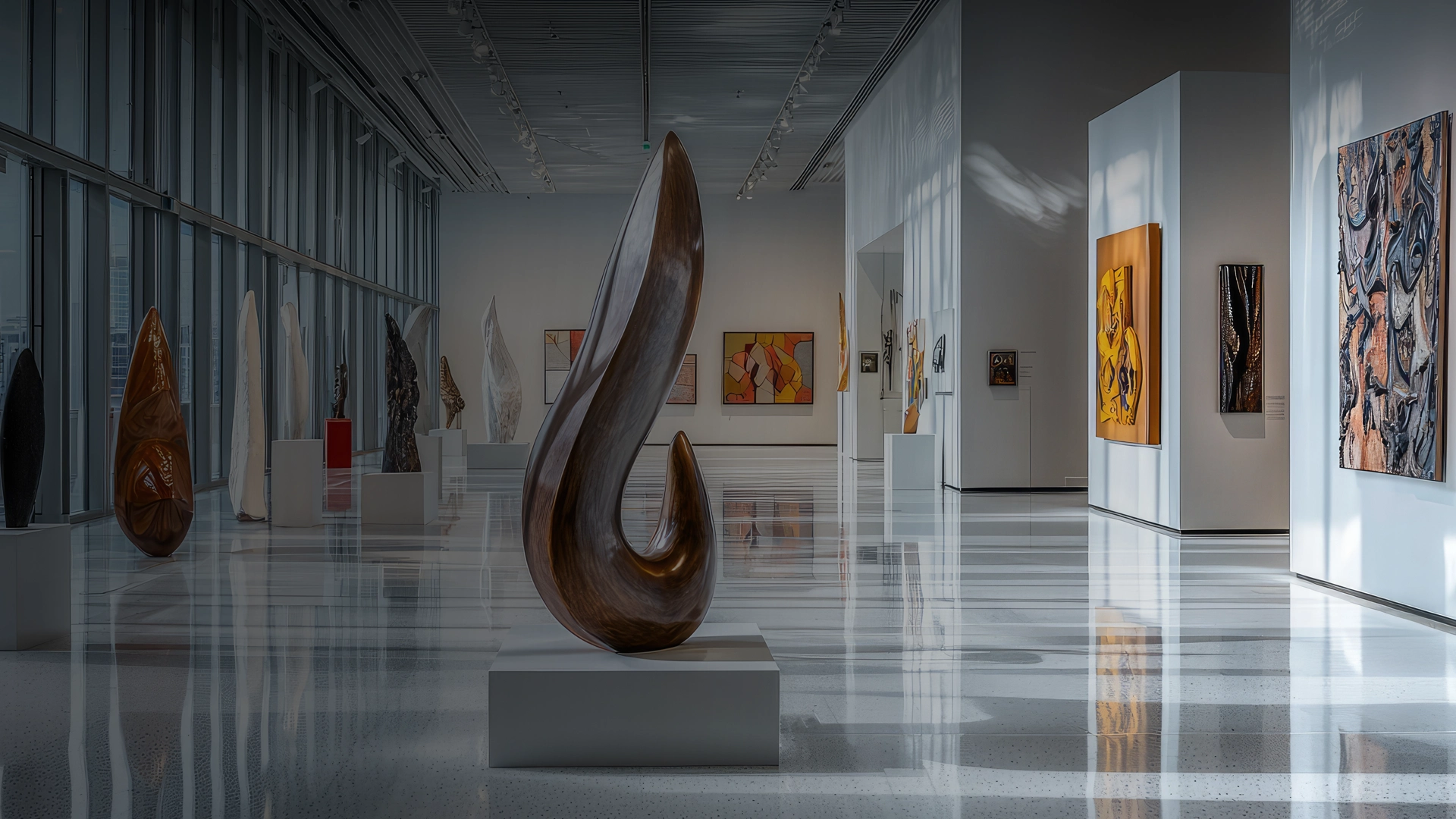
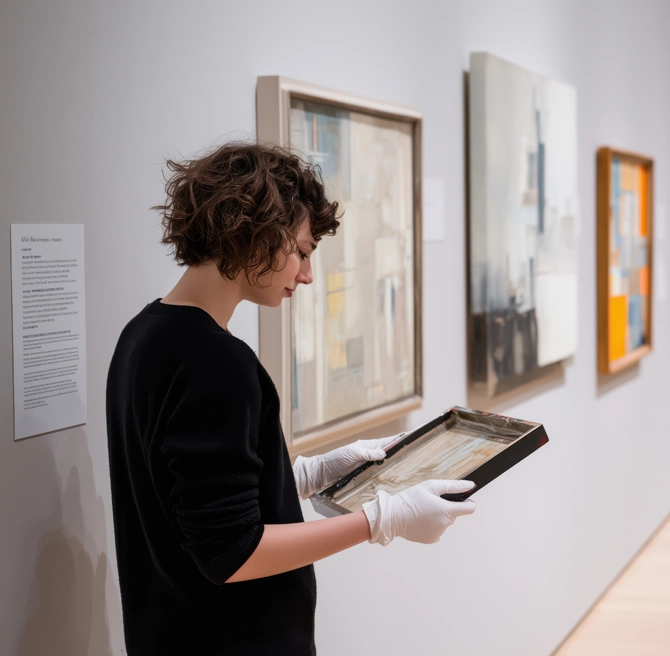
Galleries act as gatekeepers of cultural validation and the historical record. Curators design lighting, spacing, and display sequences to guide the narrative flow of an exhibition. White-cube architecture isolates artworks to encourage focused contemplation with minimal distraction. Preservation teams limit material degradation to support the longevity of works for future generations. Public institutions also function as educational platforms that contextualize complex visual histories. Visiting a collection creates a dialogue between viewers and curated artworks. Institutional critique remains a valid subject within contemporary artistic practice.
Emerging artists
Emerging artists: trajectories to recognition
The path from the private studio to international recognition involves rigorous discipline and professional networks. Emerging talents often experiment with biographical themes to establish a distinct artistic voice early in their careers. Portfolios must demonstrate technical mastery alongside conceptual depth to attract serious representation. Artist residencies provide the necessary solitude for the development of substantial bodies of work. Critics play a crucial role in elevating specific names through reviews and academic essays. Success relies on a balance of innovation and consistent artistic output. A distinctive artistic identity helps distinguish mature practices from developing work.
Digital art technologies
Exploring the fusion of art and emerging technologies
Holography & 3D projections
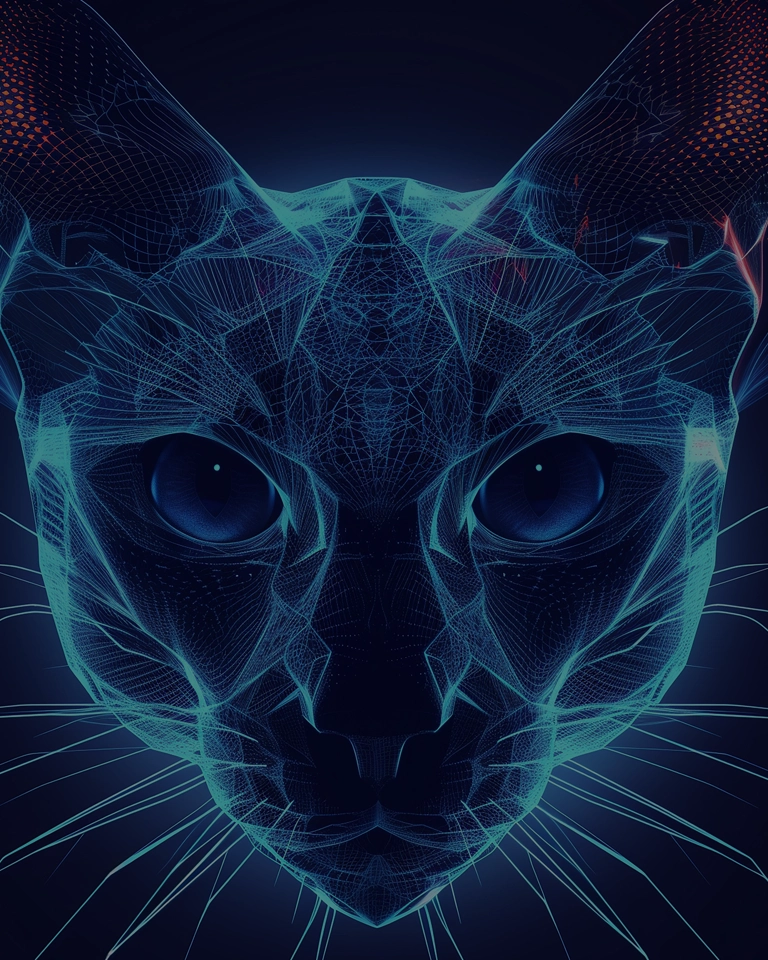
Light, depth, and motion combine to create immersive digital experiences. Holographic displays and 3D projections transform empty spaces into dynamic visual environments. Technology reshapes perception, making audiences active participants in the artwork itself.
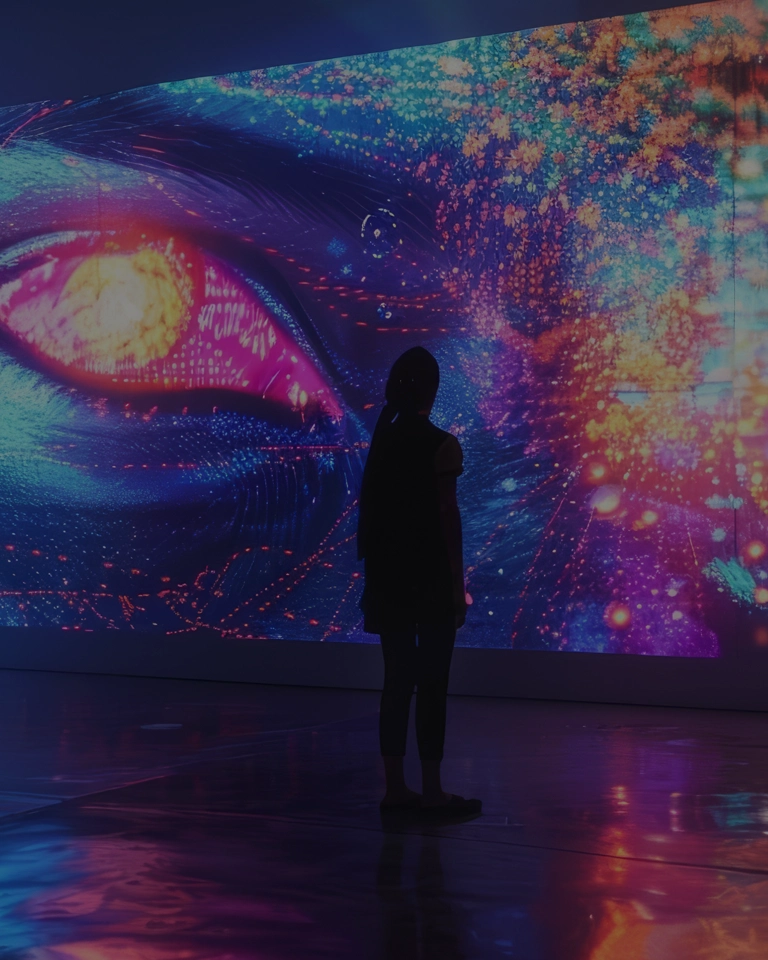
Sensor-based interactive art
Movement, touch, and physical presence trigger real-time digital responses. Interactive installations react to human input, blurring the line between creator and spectator. Every action generates a distinct visual or auditory response, making the art responsive and participatory.
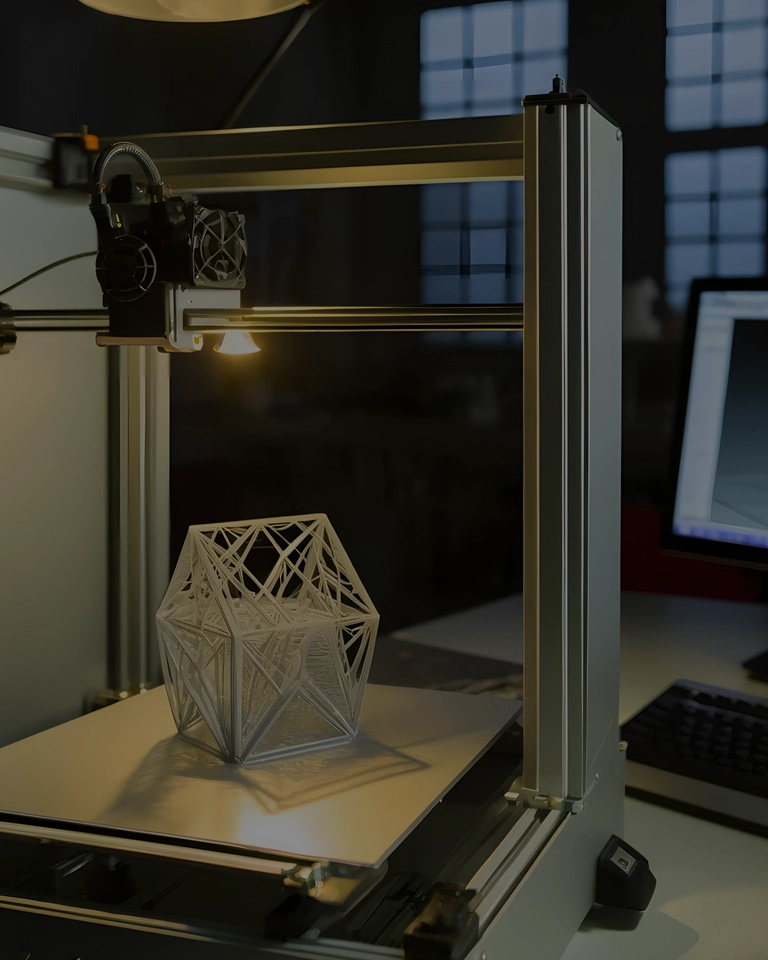
3D modeling & printing
Digital designs materialize through advanced 3D modeling and printing techniques. Sculptures, prototypes, and complex structures take tangible form from virtual concepts. This integration of digital planning and physical fabrication expands the possibilities of contemporary art.
Art market insights
Economic dynamics of art valuation
Art valuation depends on the balance of scarcity, provenance, and critical recognition. Collectors influence market trends through strategic purchases at leading auction houses. Secondary markets shape the enduring value and financial trajectory of artists. Investment portfolios can include artworks as alternative assets. Galleries oversee these complex transactions to maintain art market trust and integrity.